
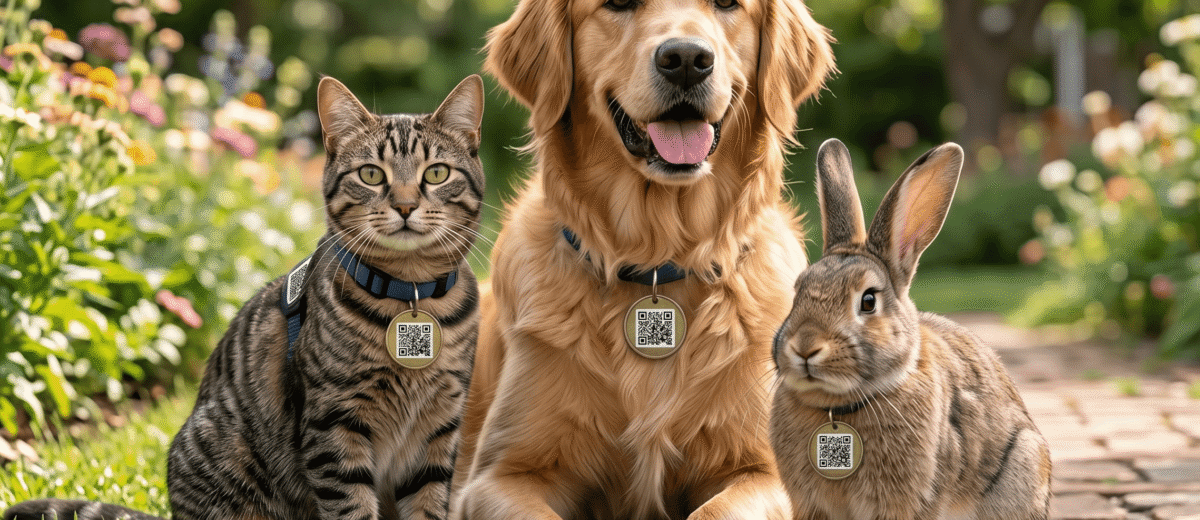
According to the ASPCA, 1 in 3 pets will become lost at some point in their lifetime. If your pet escapes the house today, what is the first line of defense bringing them back? That heart-dropping moment when you realize the gate was left open or the front door didn’t latch is something every pet parent dreads. For decades, owners have relied on a false sense of security provided by two extremes: the traditional metal dog tag jingling with personal information, or heavy, expensive, high-maintenance GPS collars.
But as we navigate 2026, pet recovery experts and animal rescue networks are noticing a disturbing trend: both of these traditional methods are fundamentally flawed. Whether it is compromised privacy exposing owners to digital threats, dead batteries rendering expensive tech useless, or uselessly heavy equipment causing discomfort to small pets, the old ways of protecting our furry (and feathered) friends need a serious, modern upgrade. Here is exactly why the legacy pet tag industry is broken, and how smart, frictionless QR technology is finally fixing it.
Table of Contents
- Why You Should NEVER Put Your Phone Number on Your Dog’s Collar in 2026
- The ‘Dead Battery’ Nightmare: Why GPS Pet Collars Fail When You Need Them Most
- “I Found a Lost Pet”: Do I Really Have to Download an App to Help?
- What About Cats, Birds, and Exotics? The Micro-Pet Dilemma
- Enter Scan it up: The Smart QR Tag Revolution
- Data Comparison: Traditional vs. GPS vs. Smart QR Tags
- Conclusion: The Future of Pet Recovery
- Frequently Asked Questions (FAQs)

Why You Should NEVER Put Your Phone Number on Your Dog’s Collar in 2026
It seems like basic common sense, right? You want your lost pet returned safely, so you naturally engrave your mobile number, and perhaps even your home address, onto a metal tag. But in today’s highly connected digital age, that innocent metal disc hanging from your dog’s neck is a massive security risk.
The Rise of Pet Scams and Privacy Theft When you broadcast your personal phone number in plain sight, anyone you pass on the street, at the vet, or in the local dog park has unrestricted access to it. Worse, scammers frequently use phone numbers gleaned from found pets, lost pet posters, and exposed tags to aggressively target vulnerable, panicked owners.
⚠️ The Emergency Vet Scam: A scammer calls claiming your injured pet is at an emergency clinic. They demand an immediate digital transfer (like Zelle or Venmo) for ‘life-saving surgery’ before releasing the location. Because owners are desperate, they often pay. Furthermore, a simple internet search of a phone number can easily reveal your full legal name, your family members, and your home address—exposing you to identity theft and unwanted harassment. You urgently need a way to be contacted by a Good Samaritan without surrendering your personal digital footprint to strangers.
The ‘Dead Battery’ Nightmare: Why GPS Pet Collars Fail When You Need Them Most
If metal tags are outdated and dangerous, GPS collars must be the ultimate, high-tech solution, right? Not exactly.
The biggest, most glaring flaw in the GPS collar market is the Tech & Battery Limitation. GPS trackers rely on cellular networks and active satellite pings to transmit location data—a process that demands massive amounts of energy. When a pet gets lost, they are usually frightened, running erratically, and hiding under thick brush, cars, or concrete structures that actively block satellite signals. This forces the tracking device to work twice as hard to find a connection.
This creates the ultimate nightmare scenario for a pet owner:
- Your dog or cat slips out and runs away in a panic.
- The GPS tracker begins pinging local towers frantically to update its live location to your phone.
- Because the pet is moving fast and the device is struggling for a signal, this high-activity tracking drains a typical GPS battery in as little as 2 to 4 hours.
- Just when you are closing in on your pet’s approximate location in the dark… the collar dies. The screen goes blank.
A GPS collar with a dead battery is nothing more than an expensive, heavy paperweight. The psychological toll of watching that battery percentage drop while searching for a beloved pet is agonizing. Pet owners need a fail-proof recovery system that doesn’t rely on strict daily charging habits to be effective in an emergency.

“I Found a Lost Pet”: Do I Really Have to Download an App to Help?
Let’s step back and look at this from the perspective of a Good Samaritan. Imagine you are rushing to work or dropping the kids off at school, and you spot a lost, shaking dog darting near traffic. You manage to safely coax the dog over. You want to do the right thing, so you check the collar and see a high-tech bluetooth or proprietary tracking tag.
But there’s a massive catch: to contact the desperate owner, you have to go to the App Store, download a 50MB tracking app, create a new user account, verify your email address, accept terms and conditions, and then try to sync your phone with the tag.
Friction kills pet recovery. Most people simply do not have the time or patience for that. In an era of deep ‘app fatigue,’ if helping a lost pet requires a 10-minute technological hurdle and surrendering personal data to a random company, many well-meaning strangers will simply call animal control and walk away. A pet tag needs to be universally accessible. It should take mere seconds to report a found pet, not a lengthy software installation process.
What About Cats, Birds, and Exotics? The Micro-Pet Dilemma
Most pet technology on the market is built with a 50-pound Golden Retriever in mind. But what if you own a delicate indoor cat, a parrot, or a rabbit?
Putting a bulky, hard-plastic GPS tracker on an 8-pound cat is not just uncomfortable; it is dangerous if they get snagged on a fence branch while trying to squeeze through tight spaces. Trying to attach heavy tech to a bird’s flight harness throws off their equilibrium, and snapping one onto a rabbit’s harness is completely impractical. Even traditional metal tags are problematic—they are surprisingly heavy for micro-pets and create a constant “jingling” noise that drives sensitive cats crazy and alerts natural predators to their location.
Furthermore, larger exotics face issues too. A heavy device on a horse can easily snag on stable doors or fencing when they get spooked. Micro-pets and exotic animals desperately need a solution that is virtually weightless, completely silent, and adaptable to harnesses, carriers, and stable environments.
Data Comparison: Traditional vs. GPS vs. Smart QR Tags
Still wondering which pet recovery method is right for your furry friend? Here is a breakdown of how the three most popular options stack up against each other:
| Feature | Traditional Metal Tag | GPS Tracking Collar | Scan it Up Smart QR Tag |
|---|---|---|---|
| Protects Owner’s Privacy? | ❌ No (Number Exposed) | ⚠️ Varies | ✅ Yes (Anonymous Chat) |
| Battery Required? | ❌ None | ⚠️ Yes (Daily/Weekly) | ✅ None (Scan-based) |
| Lightweight & Silent? | ❌ No (Jingles/Heavy) | ❌ No (Bulky) | ✅ Yes (Stickers/Mini Tags) |
| App Required for Finder? | ✅ No | ❌ Yes | ✅ No (Uses Native Camera) |
| Monthly Subscription Fee? | ✅ No | ❌ Yes ($5 – $15/mo) | ✅ No (Free Account) |
| Provides Location Data? | ❌ No | ✅ Yes (Live Tracking) | ⚠️ Yes (Upon Scanning) |
Enter Scan it Up: The Smart QR Tag Revolution
Pet owners shouldn’t be forced to choose between exposing their private information to the world and relying on heavy batteries that die when they are needed most. This exact dilemma is why Scan it Up was created.
Scan it Up is a zero-battery, privacy-first QR pet recovery system designed to reunite you with your pet in seconds, bypassing all the flaws of legacy tags and heavy GPS units.
Here is exactly how Scan it Up solves every problem on this list:
- 100% Privacy Protection: When a finder spots your pet, they simply scan the Scan it Up QR sticker. Instead of seeing your personal phone number, they are taken to a secure, anonymous messaging portal. You receive instant push alerts via email and the Scan it Up app, keeping you in complete control of your data.
- Zero Batteries Required, Ever: A QR code cannot die. Whether your pet has been missing for 2 hours or has been hiding for 2 weeks, the smart tag works perfectly the exact second it is scanned by a camera. There is no battery anxiety, period.
- No App Required for Finders: Frictionless recovery means faster reunions. Anyone with a standard smartphone camera can scan the tag and instantly open an anonymous web chat with you or send a direct WhatsApp message. There are absolutely no downloads or sign-ups required for the person helping your pet.
- Instant Location Analytics: When a Good Samaritan scans the tag, if they permit their device to share GPS data, you are instantly provided with the exact time of the scan and a map showing the approximate location of your pet.
- Perfect for Every Species and Size: Because Scan it Up utilizes highly durable, weather-resistant materials and lightweight tag designs, they weigh practically nothing and make zero noise. You can seamlessly attach them to a rugged dog collar, a tiny breakaway cat harness, a bird’s travel cage, or even stick them directly onto a horse’s stable door.
Secure Your Pet Today
Traditional metal tags are a walking privacy risk, and GPS trackers are a battery anxiety trap waiting to happen. It is time to upgrade to a smarter, safer, and lighter way to protect the animals you love.
Don’t wait for the terrible moment your pet goes missing to realize your current tag isn’t enough to bring them home.

Conclusion: The Future of Pet Recovery
The days of choosing between exposing your private phone number to strangers and strapping a heavy, battery-draining device to your pet are over. As pet owners in 2026, we demand solutions that are secure, frictionless, and universally accessible for Good Samaritans trying to help.
By upgrading to a Smart QR Tag, you are ensuring that your dog, cat, bird, or horse is protected by a system that works instantly, requires zero charging, and respects your digital privacy.
Don’t wait for the terrible moment your pet goes missing to realize your current tag isn’t enough to bring them home safely.
Frequently Asked Questions (FAQs)
Q: Do smart pet ID tags require a monthly subscription?
A: Unlike heavy GPS tracking collars that require costly monthly cellular subscriptions, creating a Scan it Up account and generating your unique QR tags is completely free.
Q: Is Scan it Up a live GPS tracker?
A: No. Scan it Up is a scan-to-contact recovery system. It does not provide real-time, moving GPS dots on a map. Instead, it provides instant communication and an approximate location pin the moment someone scans your pet’s tag with their smartphone. This design eliminates the need for heavy batteries and daily charging.
Q: Are the QR sticker tags waterproof and durable enough for outdoor pets?
A: Yes! Our tags are built for active pets. Whether your dog loves swimming in the lake or your outdoor cat is caught in the rain, the tags are crafted from durable, weather-resistant materials to ensure the QR code remains highly scannable in all conditions.
Q: What if the finder doesn’t want to use their own phone number to contact me?
A: That is the beauty of our privacy-first system. The finder does not have to expose their personal information either. They can communicate with you through our secure, anonymous messaging page directly in their mobile browser, protecting both parties.
