
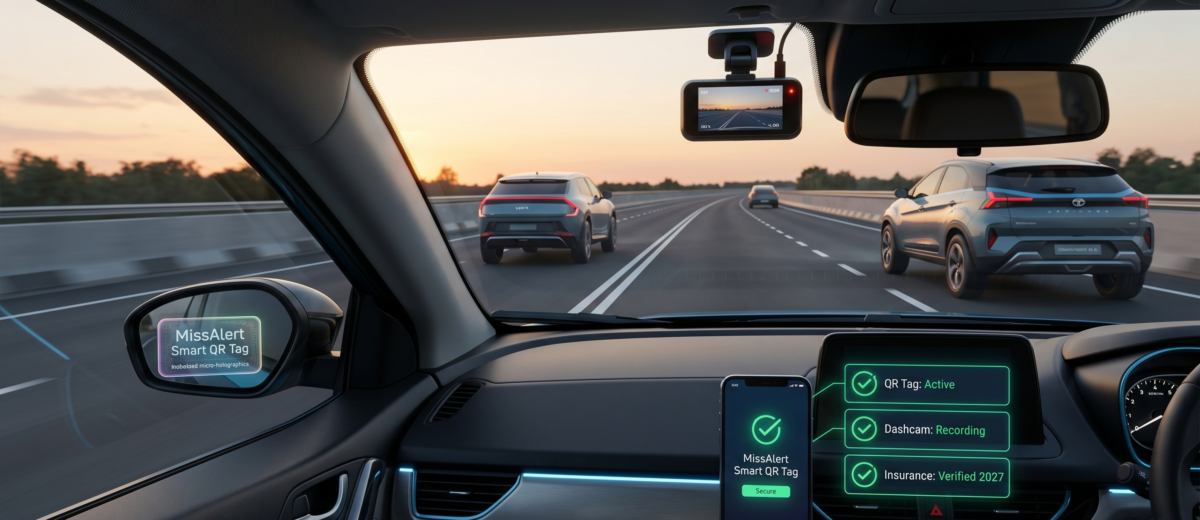
Complete Vehicle Safety Guide for Indian Roads — 2026 Edition
Indian roads are among the most complex, unpredictable, and — let’s be honest — thrilling driving environments in the world. With 326 million+ registered vehicles, a mix of road types from eight-lane expressways to single-track village paths, and drivers ranging from hyper-cautious to dramatically adventurous, staying safe requires more than just a defensive driving mindset.
It requires preparation, the right tools, and smart habits that protect your vehicle when you’re driving AND when you’re not.
This guide brings together the most current, practical vehicle safety advice for Indian drivers in 2026 — covering pre-drive checks, technology tools, parking safety, emergency preparedness, and the smart innovations that forward-thinking Indian drivers are already using.
Part 1: Pre-Drive Vehicle Safety Checks
Most vehicle incidents on Indian roads are preventable with a basic pre-drive inspection. This doesn’t need to be a 30-minute workshop exercise — a 3-minute visual and functional check can catch the issues that cause the most problems.
Tyre Pressure and Tread
India’s roads vary enormously in quality. Underinflated tyres are the leading cause of blowouts on highways. The recommended pressure for most Indian cars is 32–35 PSI for front tyres and 35–40 PSI for rear — always check your vehicle’s door placard for the specific recommendation.
Tyre tread should be above 1.6mm minimum. Below this, wet road braking distances increase dramatically — a critical concern during India’s monsoon months.
Engine Oil and Coolant
Overheating is a significant risk on long drives in Indian summers. A quick bonnet check of oil level and coolant reservoir takes 60 seconds. Top up before a long drive, not during one.
Lights
Check that all lights — headlights, tail lights, brake lights, and indicators — are functional before driving. Driving with a non-functional brake light is both dangerous and a traffic violation.
Brakes
Any squealing, grinding, or soft brake pedal feel is a warning sign. Brake pads in Indian urban driving conditions typically need replacement every 30,000–40,000 km depending on traffic intensity.
Part 2: Smart Technology for Modern Indian Drivers
Technology has dramatically changed what’s possible for vehicle safety in India. Here are the most impactful tools currently available:
1. Smart QR Vehicle Tags
As covered throughout this guide, a smart QR vehicle tag like Scan it Up is the single most effective tool for protecting a parked vehicle. It creates an anonymous alert channel between your vehicle and you — so anyone nearby can notify you of parking issues, headlights left on, flat tyres, or emergencies.
At ₹249, it’s the most affordable vehicle safety upgrade available in India today. Available on Amazon, Flipkart, and directly at Scan It Up.com.
2. Dashcam
A dashcam has moved from luxury to near-necessity for Indian drivers. In accident disputes — which can become highly contentious in India — dashcam footage is increasingly accepted as evidence. Entry-level dashcams from brands like Viofo, Qubo, and 70mai start at ₹2,500–₹5,000 with good HD recording quality.
3. GPS Tracker
Vehicle theft remains a concern in Indian cities. GPS trackers allow real-time location monitoring via smartphone apps. For two-wheelers especially, where theft is higher, a hidden GPS tracker provides significant peace of mind. Brands like Automovill and Queclink offer reliable Indian-market solutions.
4. Reverse Parking Sensors/Camera
Reversing accidents account for a significant proportion of minor vehicle damage in Indian parking lots and narrow lanes. Factory-fitted or aftermarket parking sensors and cameras dramatically reduce this risk. Most new Indian cars now include at least basic sensors as standard.
5. Tyre Pressure Monitoring System (TPMS)
An external TPMS kit costs ₹1,500–₹3,000 and provides real-time tyre pressure readings on your dashboard display. Given India’s variable road conditions, this is a highly recommended safety upgrade.
Part 3: Parking Safety Best Practices
A vehicle is only moving for perhaps 5–10% of its life. The rest of the time, it’s parked — and that’s when many vehicle safety issues occur.
Choose Well-Lit Locations
Poorly lit parking areas have higher rates of vehicle damage, break-ins, and vandalism. When options are available, always choose a well-lit, visible parking spot over a convenient but dark alternative.
Be Thoughtful About Where You Park
Avoid parking near construction sites, overhanging trees (especially during storm season), or in flood-prone low-lying areas during monsoon. These environmental risks cause significant vehicle damage every year across India.
Make Your Vehicle Contactable
This is where Scan it Up plays a critical role. A QR vehicle tag on your car means that even if you’re parked in an unfamiliar area, any responsible bystander can reach you instantly if there’s a problem — without needing your number.
Use Physical Anti-Theft Measures
Steering locks, gear locks, and wheel clamps add visible deterrents for opportunistic theft. These work best as layered security alongside GPS tracking.
Part 4: Monsoon Vehicle Safety
India’s monsoon season creates specific vehicle safety challenges that many drivers underestimate:
- Waterlogged roads can damage engines if driven through at speed — always judge water depth before crossing.
- Reduce tyre pressure slightly in extreme mud conditions for better traction, but return to normal on tarmac.
- Keep windshield wipers in good condition — replace every year before the monsoon.
- Increase following distance significantly — wet roads extend braking distance by 30–50%.
- Never use hazard lights while driving in rain (a common Indian driving myth) — use them only when stationary.
Part 5: Emergency Preparedness Every Indian Driver Needs
The difference between a manageable emergency and a disaster often comes down to preparation. Every Indian vehicle should carry:
Emergency Kit Essentials
- First aid kit (burns, cuts, and bruises are common in minor accidents)
- Reflective warning triangles (mandatory under MV Act for highway breakdowns)
- Jump-start cables or portable battery pack
- Basic tool kit (tyre lever, wrench, screwdrivers)
- Tow rope
- Torch/flashlight with spare batteries
- Bottled water (minimum 2 litres for long drives)
Digital Emergency Preparedness
- Save your insurer’s roadside assistance number before you need it.
- Store scanned copies of RC, insurance, and PUC on your phone’s secure storage.
- Install the Scan it Up app so that even in an accident, emergency contacts can be notified through your QR tag.
- Share your live location with a family member on long highway drives.
Part 6: Two-Wheeler Safety in India
Two-wheelers account for over 70% of India’s registered vehicle fleet and an even higher proportion of road fatalities. Specific safety priorities for two-wheeler riders in 2026:
Helmet Compliance
This should be non-negotiable, yet remains inconsistent across Indian roads. A BIS-certified full-face helmet reduces fatal head injury risk by approximately 42%, according to WHO road safety data. Never compromise on helmet quality.
Reflective Gear at Night
Reflective vest, strips, or a high-visibility jacket dramatically reduces rear-end collision risk at night — one of the most common fatal accidents for two-wheeler riders in India.
QR Tags for Two-Wheelers
Scan it Up QR tags are equally effective on bikes and scooters. Apply the tag to the front fork cover, under the seat storage panel, or on the rear fairing. All positions remain highly visible and weatherproof.
Conclusion: Safety Is a System, Not a Single Product
The safest Indian drivers are not just good at driving — they’re good at preparing, protecting, and responding. Vehicle safety in 2026 requires a layered approach: mechanical readiness, smart technology, informed parking habits, and emergency preparedness.
A Scan it Up QR vehicle tag fits into this system as the most affordable, immediately deployable layer of protection available today. Combine it with a dashcam, good insurance, and the practical habits from this guide, and you’ll drive India’s roads with a level of confidence and protection that most drivers simply don’t have.

Frequently Asked Questions
Q: What are the most important vehicle safety accessories to buy in 2026?
A: For maximum value and protection, prioritise: (1) Scan it Up QR vehicle tag for parking safety and emergency alerts, (2) A good dashcam for accident documentation, (3) Tyre pressure monitoring system for highway safety, and (4) A GPS tracker if you park in high-risk areas. These four tools together cost under ₹12,000 and provide comprehensive protection.
Q: Is a dashcam legally usable as evidence in India?
A: Dashcam footage is increasingly accepted by traffic courts and police in India as supporting evidence in accident cases. While it is not yet formally mandated as evidence in all jurisdictions, its practical use in dispute resolution — especially in insurance claims — is well established. The more urban your city, the more likely dashcam footage carries weight.
Q: How can I protect my vehicle during floods in Indian cities?
A: Move your vehicle to higher ground as soon as flood or waterlogging warnings are issued. Avoid driving through standing water of unknown depth — even 30cm of water can stall modern fuel-injected engines. Comprehensive insurance with flood cover is essential for Indian drivers in flood-prone zones. After flood exposure, have your vehicle inspected by a mechanic for water ingress into the engine, brakes, and electrics.
